
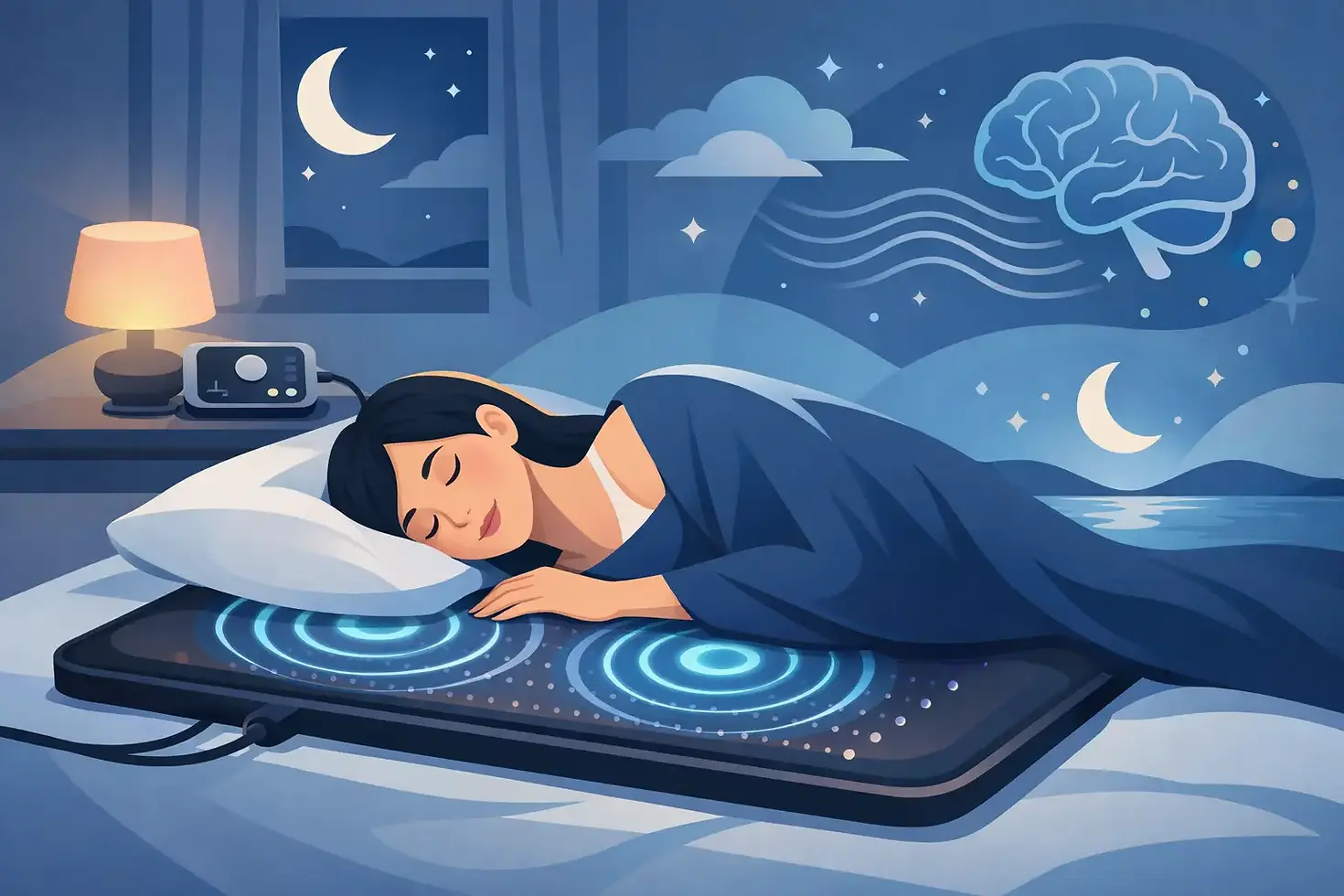
Can a PEMF Mat for Better Sleep Improve Rest?
A restless night rarely begins at bedtime. It can start with a hard training session that still lives in your muscles, a workday that never quite leaves your mind, or the familiar cycle of checking the clock and calculating how little sleep remains. A PEMF mat for better sleep is designed to become part of the transition out of that cycle: a comfortable, noninvasive way to create a calmer recovery ritual before bed.
PEMF stands for pulsed electromagnetic field therapy. These devices deliver low-level electromagnetic pulses through a mat, allowing users to rest while the technology works quietly in the background. For people building an intentional sleep environment, that simplicity is part of the appeal. You lie down, choose a setting, breathe, and give your body a dedicated window to settle.
Why Sleep and Recovery Are So Closely Connected
Sleep is not simply time spent unconscious. It is when the body carries out much of its repair, regulation, and recovery work. Yet quality rest can feel out of reach when physical tension, demanding schedules, stress, or post-exercise soreness keep the nervous system switched on.
A supportive sleep routine should address more than the last five minutes before lights-out. It can include movement during the day, a consistent bedtime, a darker and cooler bedroom, and a deliberate off-ramp from work and screens. A PEMF mat can fit naturally into that off-ramp, particularly for people who want a restorative practice that feels more substantial than scrolling through a meditation app but does not require a lengthy appointment or complicated setup.
PEMF is often used in wellness settings to support relaxation, circulation, comfort, and recovery. Those effects may help create conditions that are more favorable for sleep. That distinction matters. A mat is not a sedative, and it cannot guarantee that you will fall asleep on command. It is a wellness tool that may help you feel more at ease in your body as you prepare for rest.
How a PEMF Mat for Better Sleep May Help
Pulsed electromagnetic fields are not felt like a massage, and most users do not experience a dramatic sensation while using a PEMF mat. The value is often in the ritual and the response it supports over time. A session can encourage you to pause, lie still, and direct attention away from the day’s demands.
For active people, the connection is especially practical. A late workout, long run, strength session, or travel day can leave the body feeling charged when the mind is ready to sleep. Using a PEMF mat as part of an evening recovery practice may support a smoother shift from exertion to rest. Some users also choose a session earlier in the evening to promote physical comfort without making their bedtime routine feel rushed.
Stress is another common factor. A busy professional may not be dealing with athletic soreness, but they may carry the day in their shoulders, jaw, and breathing pattern. Lying on a mat in a quiet room creates a protected moment with one clear purpose: nothing needs to be solved right now. That experience of intentional stillness can be as valuable as the technology itself.
Results vary because sleep is personal. Someone whose main obstacle is inconsistent bedtimes may see more benefit from schedule changes than from any device. Someone managing persistent discomfort may find that a recovery-focused evening routine makes it easier to get comfortable. The best approach treats PEMF as one useful layer within a wider sleep strategy.
Building an Evening PEMF Routine That Feels Realistic
The most effective sleep routine is one you can repeat. Rather than turning bedtime into a long list of wellness tasks, start with a short PEMF session three to five nights a week. Many people begin with 15 to 30 minutes, then adjust based on comfort, schedule, and the guidance for their specific mat.
Try using the mat one to two hours before bed rather than assuming it must happen at the exact moment you plan to sleep. This gives you space to follow the session with a warm shower, light stretching, reading, or a screen-free wind-down. If you prefer to use it in bed, make sure the setup is comfortable and that any cords, controls, or heat features are used exactly as directed by the manufacturer.
Keep the environment low-stimulation. Dim lighting, a cooler room, and notifications set aside can make the session feel like a genuine boundary between daytime and nighttime. You do not need special breathwork or a complicated protocol. Slow, natural breathing and a commitment to stay off your phone are enough.
Consistency matters more than intensity. A single session after a particularly demanding day may feel restorative, but patterns are easier to notice after several weeks. Consider tracking a few simple observations: how quickly you feel settled at night, how your body feels after training, and whether your sleep routine feels easier to maintain. Avoid judging the experience solely by one night’s sleep score.
Choosing the Right Mat and Settings
Not all PEMF mats are designed around the same experience. Some prioritize portability for travel or targeted sessions; others offer a full-body surface suited to a bedroom, recovery room, treatment space, or relaxation lounge. For sleep support, comfort deserves equal consideration with technical specifications. A mat you enjoy using is far more likely to become part of your routine.
Look for straightforward controls and programs that let you begin gently. Lower-intensity or relaxation-oriented settings are often a sensible place to start for evening use, especially if you are new to PEMF. More power is not automatically better. The right setting is the one that fits your comfort level, your schedule, and the device instructions.
Some premium recovery systems combine PEMF with complementary modalities such as far-infrared warmth, negative ions, or grounding-inspired design. These combinations can create a more immersive relaxation experience, but they also make personal preference more relevant. If heat makes you feel overly warm at night, use a heated feature earlier in the evening or choose a cooler PEMF-only session. If gentle warmth helps you unwind, it may become a welcome part of your ritual.
For a home recovery space, a quality full-body mat can provide a dedicated place to decompress. In a hospitality, fitness, or clinical-adjacent wellness environment, a lounger or mat can also offer guests and members a memorable recovery experience without adding a complex service step. Splish Wellness Tech helps make these professional-grade modalities approachable for both personal spaces and commercial wellness settings.
What PEMF Cannot Replace
A PEMF mat should complement sound sleep fundamentals, not compete with them. Persistent insomnia, loud snoring, breathing pauses during sleep, severe daytime fatigue, or unexplained pain deserve a conversation with a qualified healthcare professional. Those symptoms can point to concerns that a wellness device is not designed to diagnose or treat.
The same care applies to safety. People who are pregnant, have an implanted electronic device such as a pacemaker, have a seizure disorder, or are under active medical care should consult their clinician before using PEMF. Always follow the manufacturer’s contraindications and use instructions.
There is also a practical trade-off: premium technology works best when it supports your life rather than becoming another source of pressure. If a nightly 30-minute session feels unrealistic, use the mat after demanding workouts, during Sunday evening preparation, or on the nights when you know stress is running high. A flexible routine is still a routine.
Give Your Body a Better Place to Land
The promise of a PEMF mat is not that it erases every difficult night. It is that it gives recovery a place in your day before exhaustion takes over. Set aside a little quiet, choose a pace you can maintain, and let your evening routine become a signal that rest is not an afterthought. It is part of how you care for your performance, comfort, and wellbeing tomorrow.


Comments